
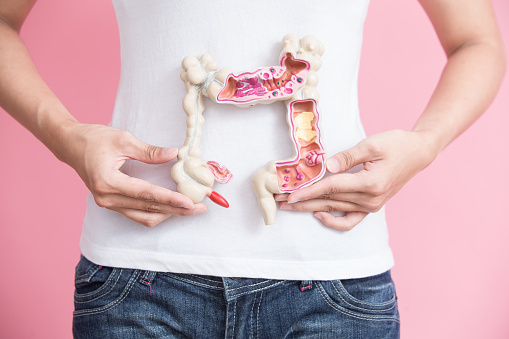
Colorectal Surgery

Understanding Colorectal & Colon Cancer Surgery

If you’ve been told you might need colorectal surgery, or you’re looking for the right specialist in Malaysia, Bukit Tinggi Medical Centre (BTMC) is here to assist. Colorectal surgery focuses on diagnosing and treating conditions affecting the colon, rectum, and anus. From minor issues like haemorrhoids to serious conditions such as colorectal cancer, these procedures are essential in restoring your health and quality of life.

BTMC offers some of the most experienced colorectal specialists in Malaysia, with access to cutting-edge diagnostic tools and surgical techniques. Whether you’re searching for a colonoscopy procedure, information on colon cancer surgery, or wondering what a colon removal surgery involves, our team is here to guide you every step of the way.

Conditions Requiring Colon Removal & Surgery

Many common yet serious conditions can be managed effectively through various medical procedures, including colorectal surgery. At BTMC, we routinely treat both cancerous and non-cancerous conditions:

  • Hemorrhoids
  • Anal Fissure
  • Fistula in Anal
  • Perianal Abscess
  • Anal Incontinence
  • Rectal Prolapse
  • Obstructive Defecatory Syndrome
  • Functional Constipation
  • Colon Cancer
  • Rectal Cancer

Our approach combines both non-surgical care and minimally invasive colon surgeries, depending on the severity of the condition. If you’ve been referred to a colon specialist or feel you need a second opinion, our team is ready to assist.

Types of Colon Surgeries & Procedures at BTMC

Our colorectal unit performs a wide range of colorectal procedures, from diagnostic tests to advanced surgical treatments. Some of the most common procedures include:

Colonoscopy and Sigmoidoscopy

Used to detect polyps, cancer, and other colon or rectal issues.

Laparoscopic Colorectal Surgery

A minimally invasive option with faster recovery and less scarring.

Colon Resection Surgery

Removal of diseased sections of the colon (e.g., for colon cancer or Crohn’s disease)

Our surgical team uses the latest advanced techniques to minimise discomfort and ensure quicker recovery times, as BTMC strives to be one of the best hospitals in Malaysia to provide colorectal surgeries.

Why BTMC is the Best Hospital in Klang for Colorectal Surgery?

At BTMC, you will get a complete care experience. Here's what we have to offer:

Whether it’s your first consultation or seeking a second opinion, BTMC is ready to provide world-class care with a personal touch.
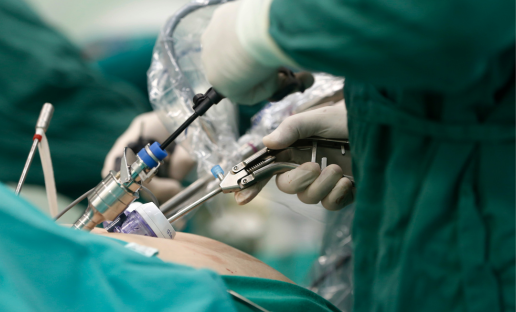
Surgeons performing laparoscopic colorectal and colon surgery.

Advanced diagnostic and surgical tools for precision and safety
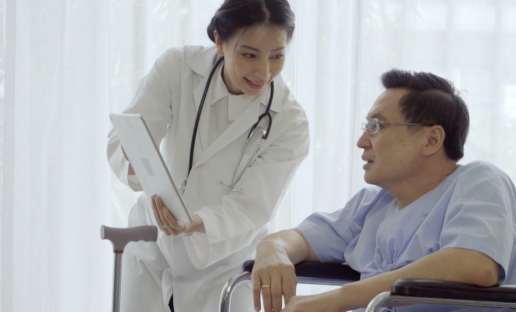
Colon specialist is consulting patient for colon cancer surgery.

Minimally invasive options for reduced pain and faster healing

Colon specialist is advising diet for colon cancer surgery recovery.

Multidisciplinary team support, including oncologists, gastroenterologists, and dietitians

Expert colon specialist and colorectal surgery team in Klang.

Comprehensive solutions from one of the top private hospitals in Malaysia for colon and rectal surgery

Consult a Top Colon Specialist in Malaysia Today

Don't ignore your gut health. If you're experiencing symptoms like unexplained abdominal pain, rectal bleeding, or changes in bowel habits, it’s time to consult a colon specialist in Malaysia. Book a consultation with BTMC’s colorectal surgeon today and take the first step towards peace of mind and better health

Meet Our Colorectal Surgeons in Malaysia

BTMC has a dedicated team of colon and rectal surgeons with a wealth of experience in treating complex colorectal conditions. Each colorectal specialist is trained in advanced surgical techniques, ensuring you receive the best possible outcome. With high surgical success rates and a compassionate, patient-first approach, our surgeons are recognised more than just for their expertise, but also for their ability to listen and care.

Our Colon Surgeons

Dr Senthil Vasan is a Colorectal Surgeon and works at Bukit Tinggi Medical Centre Klang in Malaysia.

Dr Senthil Vasan Kanthasamy

Designation
Consultant General and Colorectal Surgeon
Specialty
General Surgery, Colorectal Surgery

FAQs about Colorectal Surgery

Colon operations are typically performed to treat serious conditions such as colorectal cancer, diverticulitis, and inflammatory bowel disease (IBD). They are also used for severe cases of rectal prolapse and intestinal blockage.

Yes. Our specialized colon surgeons perform comprehensive colon cancer surgery. Depending on the stage, this may involve colon resection surgery (removing the cancerous part) or minimally invasive laparoscopic procedures to ensure faster recovery.

Yes, colon removal surgery is a major procedure. However, modern techniques like laparoscopic surgery used at BTMC significantly reduce pain and shorten the hospital stay compared to traditional open surgery.

Colon tumour surgery involves the precise excision of abnormal growths. If the tumour is benign (a polyp), it might be removed via colonoscopy. If it is malignant (cancerous), surgical resection is required to eliminate all cancer cells.

For minor procedures, patients may go home the same day. For major colorectal surgery, such as bowel resection, hospital stay is typically 3 to 7 days, with full recovery taking 4 to 6 weeks.

BTMC's colorectal surgical team uses various methods, ranging from rubber band ligation (non-surgical) to haemorrhoidectomy or laser treatments for more severe cases.

You should consult a colorectal surgeon if you are over 45 (for screening), have a family history of colon cancer, or experience symptoms like rectal bleeding, persistent changes in bowel habits, or unexplained abdominal pain.

Laparoscopic colorectal surgery is often preferred because it is minimally invasive, resulting in smaller scars, less post-operative pain, and a quicker return to daily activities compared to traditional open surgery.

With advanced colorectal procedures and early detection, BTMC's surgeons perform sphincter-saving surgeries that allow patients to maintain normal bowel movements without a permanent bag.

Yes. Besides major surgeries, our specialists treat common conditions like haemorrhoids, anal fissures, and fistulas. We offer various treatments ranging from non-surgical care to minor procedures depending on severity.

Most people have a "normal" routine that ranges from three times a day to three times a week. However, you should see a specialist if your constipation lasts for more than 3 weeks or if you notice:
  • You are constantly straining or "pushing" hard.
  • You feel like you can’t fully empty your bowels.
  • You have stomach pain or see blood.

Not exactly. While they share symptoms, they have different causes.

Simple Constipation usually relates to "slow transit"—where waste moves too slowly through the colon, often due to diet or lifestyle.

ODS is a mechanical or functional blockage. You may feel the urge to go, but the waste gets "stuck" at the exit. Patients with ODS often spend long periods in the bathroom and feel incomplete evacuation, even if their stool consistency is normal. Because ODS is often caused by physical changes like a rectocele or intussusception, it usually requires a different treatment approach than standard constipation.

ODS is significantly more common in women due to the unique anatomy of the female pelvic floor and the impact of life events:
  • Childbirth: Vaginal delivery can weaken the "rectovaginal septum" (the wall between the vagina and the rectum).
  • Menopause: Reduced estrogen levels can lead to a loss of tissue elasticity and pelvic floor support.
  • Anatomical Changes: These factors can lead to a rectocele (where the rectum bulges into the vagina), trapping stool and making it difficult to evacuate. As muscles naturally weaken with age, these structural issues often become more pronounced.

It is very rare for a pilonidal sinus to disappear permanently without intervention. While the pain and swelling of an infected cyst (abscess) may subside with antibiotics or natural drainage, the "tunnel" (the sinus) under the skin is still there.

As long as that tunnel exists, it can easily trap hair and dirt again, leading to another painful infection. While you can manage the symptoms for a while, surgery is usually the only way to close the tunnel for good.