
Banner Desktop Banner Mobile

Baby Friendly Hospital Initiative

Baby Friendly Hospital Initiatives

The Baby-Friendly Hospital Initiative (BFHI) is a global programme launched by the World Health Organization and the United Nations Children’s Fund in 1991. It recognises hospitals and birthing centres that provide a high standard of care in infant feeding and support strong mother–baby bonding. The initiative emphasises that breastfeeding plays a vital role in supporting a baby’s health and development.

As per Malaysian breastfeeding policy, mothers are encouraged to practise exclusive breastfeeding from birth until six months of age, and to continue breastfeeding up to two years or beyond. Complementary foods should be introduced at six months, while breastfeeding continues.

View Breastfeeding and Infant Nutrition ENG / BM

Benefits of breastfeeding to baby

Breast Milk

1

Provides ideal nutrition that suites the child’s need.

1

Prevent infant deaths.

1

Reduction of obesity in later life.

1

Protect against many infections.

1

Reduces risk of allergies.

1

May assist in blood pressure regulation.

1

Readily available, no preparation, suited to the child’s needs.

1

Reduce the risk of as juvenile onset diabetes (in family with a history of these conditions).

The importance of breastfeeding to the mother

Women who do not breastfeed may increase risk of:

1

Breast cancer, and some forms of ovarian cancer.

1

Osteoporosis in older age.

1

Retention of fat deposited during pregnancy which may result in later obesity.

1

Frequent pregnancies due to lack of child - spacing effect of breastfeeding.

1

Anaemia due to low contraction of the uterus and early return of menses.

Skin-to-Skin contact Immediately after birth

Skin-to-skin contact is usually referred to as the practice where a baby is dried and laid directly on the mother’s bare chest after birth, both covered in a warm blanket and left for at least an hour or until after the first feed.

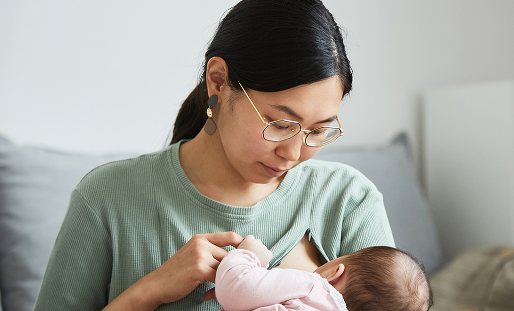
The Importance of skin-to-skin contact immediately after birth:

1

To keep baby warm and calm..

2

Promote bonding, help breastfeeding get started.

2

Assists with metabolic adoption and blood glucose stabilization in the baby.

3

Help the baby learn that breasts are safe place.

3

Enables colonization of the baby's gut with the mother body bacteria gut.

3

Allowing baby to find mother's breast and latch on naturally.

The importance of rooming-in 24 hours a day

  • Baby sleep better and cry less.
  • Mother – baby sleep / awake rhythm would be disrupted if separated.
  • Breastfeeding is well established, continues longer and baby gain weight quickly.
  • Feeding in response to a baby’s cues.
  • Mother becomes confident.
  • Mother can observe their baby all the time.
  • Baby gets fewer infections compared to stay in a nursery.
  • Promotes bonding between mother and baby.
image image

BTMC Breastfeeding Support Group

If you encounter any issues or seek advise regarding breastfeeding, please contact or visit the nearest government hospital or health clinic. Our BTMC Breastfeeding Support Group is always ready to assist you.

Other experienced individuals you can contact: