By Dr Agnes Yeo Siek Ying, Consultant Plastic Surgeon, Bukit Tinggi Medical Centre
Deciding whether to have breast implants is about more than choosing a larger breast size.
Patients may come to consultation with a particular cup size in mind, but there are several other factors that need to be considered — including the width and shape of the breast, the amount of natural breast tissue, skin quality and the patient’s expectations.
When discussing implant options, Dr Agnes said she considers the patient’s breast width, existing tissue, skin quality and overall proportions. “The goal is to select an implant that complements the patient’s anatomy, rather than choosing one that is too large for the breast,” she said.
There is no single implant size that is right for everyone.
Bra cup sizes are also not standardised between manufacturers, so asking for a particular cup size does not provide a precise measurement for surgery.
During consultation, Dr Agnes may assess the breast width, existing breast volume and shape, skin elasticity, amount of natural tissue, nipple position and the shape of the chest.
Your lifestyle and preferred degree of fullness are also important.
The same implant can look very different on two people because their starting anatomy is different.
Dr Agnes explained that implant selection should be based on each patient’s individual anatomy, proportions and desired outcome, rather than simply choosing a particular cup size. “What works well for one patient may not necessarily be suitable for another,” she said.
Not necessarily.
A larger implant may create more volume, but it does not automatically create a better or more natural-looking result.
If an implant is too large for the patient’s breast tissue and skin, it may increase the likelihood of concerns such as visible implant edges, rippling, stretching or changes in implant position over time.
And if the main concern is sagging or loose skin, increasing implant size may not address the underlying problem.
A breast lift, with or without an implant, may be more appropriate when there is significant loose skin or a lower nipple position.
Dr Agnes said patients sometimes assume that a larger implant can correct sagging, but this is not necessarily the case. “An implant adds volume, but it does not remove excess skin. If sagging is the main concern, we need to address the underlying cause,” she explained.
Breast implants come in different sizes, shapes and profiles. Your surgeon will discuss which options may be appropriate based on your anatomy and desired result.
The position of the implant and the location of the surgical incision will also form part of the discussion.
There is no single approach that is best for every patient. Factors such as breast tissue, implant choice, breast shape and the surgical plan all need to be considered.
Your surgeon should also explain where the incision will be made and what type of scar you can expect.
Breast augmentation is surgery, so it carries general surgical risks such as bleeding, infection, wound-healing problems, scarring and complications related to anaesthesia.
Breast implants also have their own potential complications. These may include:
The FDA also notes that breast implants are associated with certain rare cancers and other reported health concerns, which should be discussed with your surgeon as part of the decision-making process.
As breast augmentation is an elective procedure, Dr Agnes emphasised the importance of understanding both its potential benefits and risks. “Patients should feel comfortable asking questions and taking the time they need to make an informed decision,” she said.
No. Breast implants are not considered lifetime devices.
This does not mean that every patient will need to replace an implant after a specific number of years. However, the FDA states that the longer a person has breast implants, the more likely it becomes that complications or other changes may eventually require additional surgery.
Possible reasons for further surgery may include implant rupture, capsular contracture, changes in breast shape, implant movement, or a patient’s decision to remove or replace the implants.
Dr Agnes advised patients to consider breast augmentation as a long-term commitment rather than a one-time procedure. “The breasts will continue to change over time, and implants may eventually require further treatment or surgery,” she said.
Patients should also keep information about their implants and attend recommended follow-up appointments.
For silicone gel-filled implants, your surgeon may recommend imaging such as ultrasound or MRI to check for rupture, depending on the implant and current recommendations.
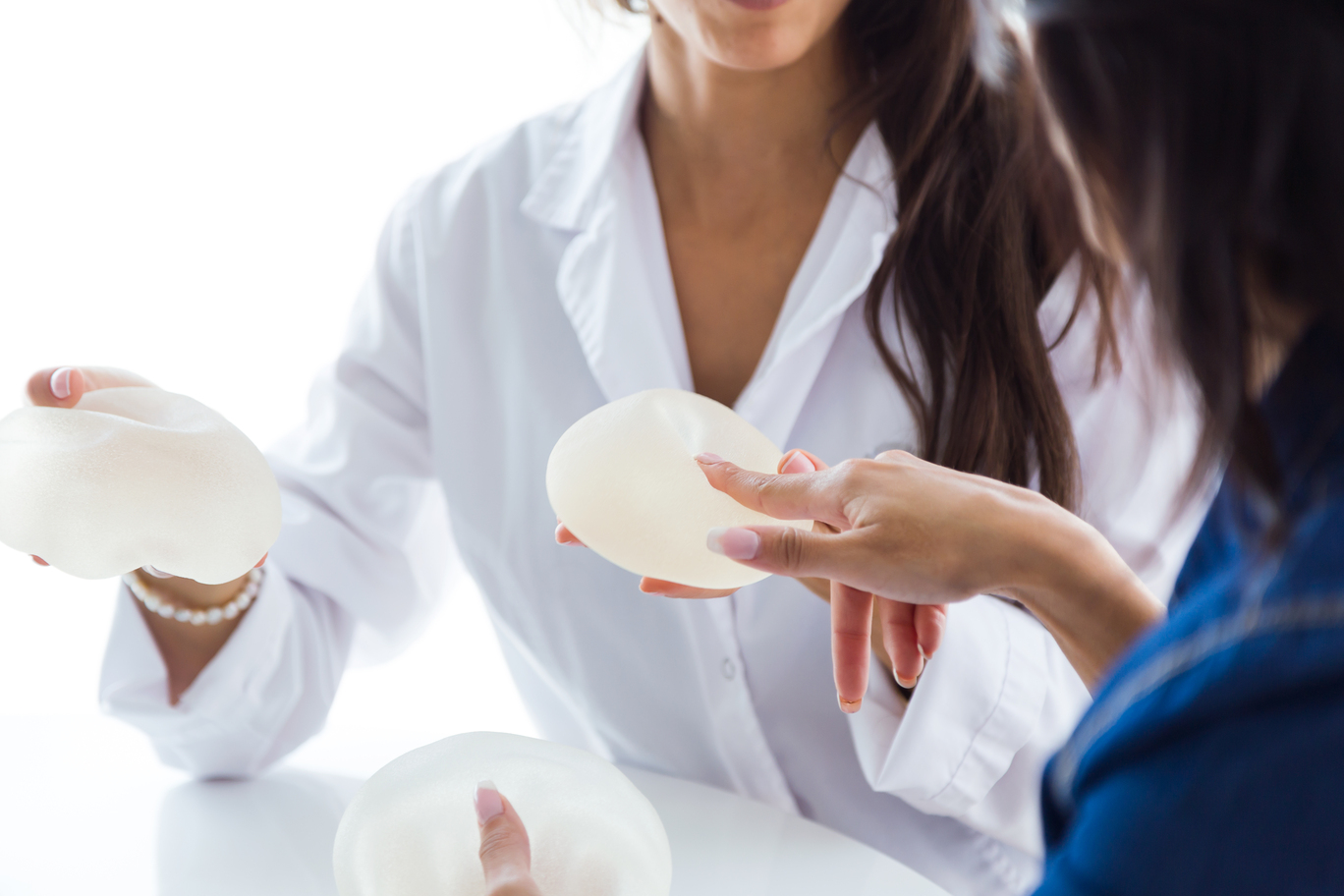
One of the risks patients should be aware of is breast implant-associated anaplastic large-cell lymphoma (BIA-ALCL).
BIA-ALCL is an uncommon type of non-Hodgkin’s lymphoma. It is not breast cancer. It usually develops in the fluid or scar tissue around a breast implant rather than in the breast tissue itself. The risk is higher with textured-surface implants than with smooth-surface implants.
Patients with implants should be aware of symptoms such as persistent swelling, a mass or pain around the implant, particularly if these symptoms develop some time after surgery. Such changes should be assessed by a doctor.
Dr Agnes noted that while BIA-ALCL is uncommon, patients considering breast implants should still be aware of the condition. “Understanding the risks can help patients make an informed decision and recognise any changes that should be assessed in the future,” she said.
The FDA does not recommend routine removal of breast implants solely because of concern about BIA-ALCL in patients who have no symptoms. Patients should discuss their individual circumstances with their surgeon.
Recovery varies from person to person.
Some patients experience swelling, tightness, bruising or changes in breast and nipple sensation during the early recovery period. The breasts may also appear higher or firmer initially as swelling settles and the tissues adjust.
Your surgeon will provide individual instructions about wound care, supportive garments, sleeping position, driving, returning to work, lifting and exercise.
The timing of these activities depends on your procedure, recovery and the physical demands of your daily routine.
Dr Agnes explained that recovery can vary between patients depending on the procedure and individual circumstances. “I provide advice based on each patient’s recovery and the activities they need to return to,” she said.
Patients should seek prompt medical attention if they experience unexpected symptoms such as sudden swelling, increasing redness, fever, worsening pain or breathing difficulty.
A consultation should be a two-way discussion. You should have the opportunity to understand the procedure, ask questions and consider whether the expected result is right for you.
You may wish to ask:
Dr Agnes emphasised that consultation is an important part of the breast augmentation process. “Patients should understand what the procedure can achieve, as well as its limitations and potential risks, before deciding whether it is right for them,” she said.
SKINCENTRIC by Bukit Tinggi Medical Centre provides plastic and reconstructive surgery services within a hospital setting in Klang, Selangor.
A consultation with Dr Agnes Yeo includes assessment of your medical history, breast and chest anatomy, existing differences between the breasts, concerns and treatment goals.
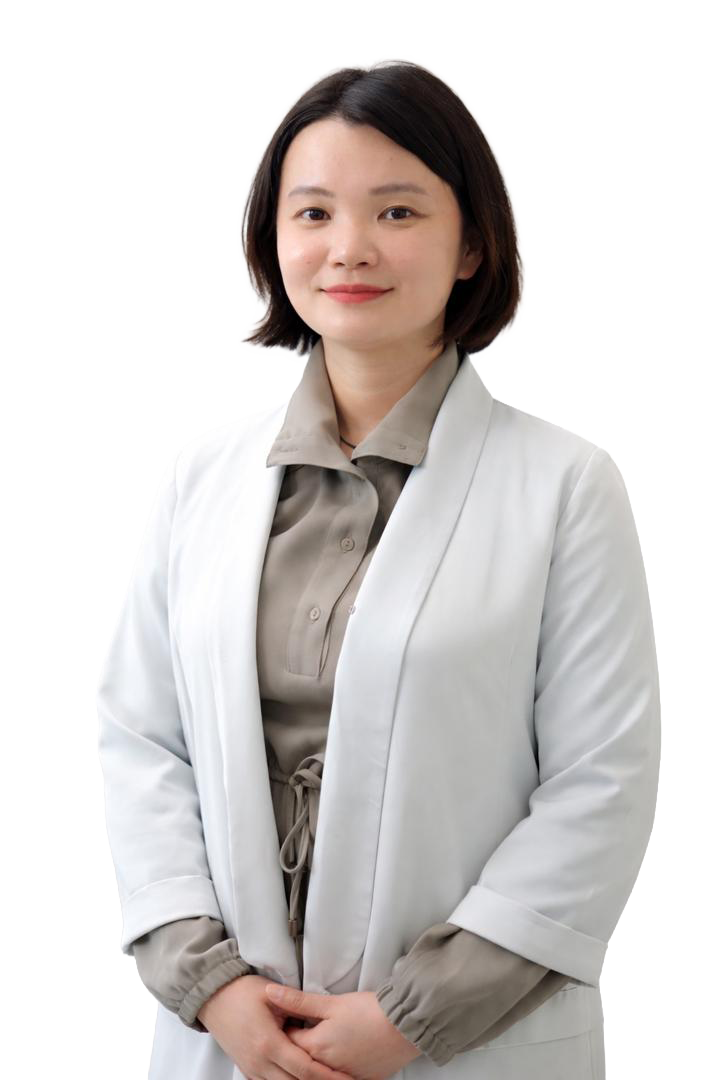
Depending on the assessment, the discussion may include breast implants, fat grafting, breast lift or other approaches.
The recommendation is based on your individual anatomy and goals rather than a standard implant size or treatment plan.
Choosing breast implants is a personal decision. Understanding how implant selection works, what results are realistic, the potential risks and the long-term considerations can help you make a more informed choice.
This article provides general educational information and does not replace an individual medical consultation, examination or diagnosis.